How a Personal Alarm for Elderly Loved Ones Brings Real Peace of Mind
When my grandmother first mentioned she felt unsteady on her feet, I started paying closer attention to the small things. She had always been fiercely independent, the kind of woman who would rather climb a ladder to clean the gutters than ask for help. But age changes things. A simple walk to the letterbox became a calculated risk, and the thought of her falling with no one around was something none of us wanted to dwell on.
That is when I began looking into safety options. At first, I considered just buying her a mobile phone and programming it with emergency numbers. But that only works if she could reach it, and if she remembered what to do in a panic. What I really needed was something automatic, something that would work even if she could not press a button. That is what led me to the idea of a personal alarm for elderly relatives. It is a device that sounds simple but makes a huge difference in daily life.
Understanding the Real Risks Seniors Face at Home
The statistics around falls among older adults are sobering. One in three seniors over 65 experiences a fall each year, and the consequences can be severe. A broken hip or a head injury does not just cause physical pain; it can lead to a loss of independence that is hard to recover from. The fear of falling often makes seniors less active, which weakens muscles and paradoxically increases the risk of future falls.
But the risk is not just about falls. There are medical emergencies like strokes, heart attacks, or sudden dizzy spells. There are also quieter dangers like wandering off for someone with dementia. I have heard stories of seniors getting lost for hours in their own neighbourhood because they became disoriented. In all these situations, time is critical. The faster help arrives, the better the outcome.
What a Personal Alarm Actually Does
A personal alarm for elderly users is typically a wearable device, often a pendant or a wristband, that connects to a monitoring system. When the wearer presses a button, it alerts a response centre or family members who can then send help. More advanced models include fall detection that triggers the alarm automatically if a fall is detected, even if the person is unconscious or unable to press the button.
Some devices also include GPS tracking, which is particularly useful for seniors who are still active outdoors or who have a tendency to wander. The monitoring can be done by a professional call centre, by family members, or both. Two-way calling allows the person in distress to speak directly to a responder, which is a lot more reassuring than a simple alarm that just beeps.

Connect with us on YouTube.
Why a Simple Button Is Not Always Enough
I have seen a lot of discussions online about whether a basic pendant alarm is sufficient. The honest answer is that it depends on the person. For someone who is alert, mobile, and always wears the device, a simple button press can work fine. But many seniors forget to wear the pendant, or they take it off to shower, which is exactly when falls often happen.
That is where automatic fall detection becomes a game-changer. It does not rely on the person remembering to press anything. The device senses the impact and the change in position, and it sends an alert on its own. For someone like my grandmother, who was proud and would likely try to get up on her own before calling for help, automatic detection is a safety net she cannot bypass.
Another consideration is the range of the device. Some alarms only work inside the home, within a certain distance of a base station. Others use cellular networks or GPS to work anywhere. If the senior still drives to the shops or goes for walks, a wider range is essential. The technology has improved a lot in recent years, and many modern devices are water-resistant, have long battery life, and are comfortable enough to wear daily.
Choosing the Right Device for Your Family
Selecting a personal alarm for elderly family members involves weighing up a few key factors. Here are the main things I considered when researching for my grandmother:
- Ease of use: The device should have a large, easy-to-press button and clear audio for two-way calls. Complicated menus or small buttons are a barrier.
- Fall detection: If the person is at high risk of falls, automatic detection is worth the extra cost. It removes the need for them to remember to press the button.
- Battery life and charging: Look for a device that lasts several days or weeks on a charge, and one that alerts you when the battery is low. Some have replaceable batteries that last months.
- GPS and range: If the senior is still active outside the home, choose a device with built-in GPS and cellular connectivity so they are covered everywhere.
- Monitoring options: Decide whether you want professional monitoring 24/7, or if a family-based system where alerts go directly to your phone works better for your situation.
How Families Actually Use These Devices
One thing I learned from talking to other families is that the device only works well if the senior actually wears it. That sounds obvious, but it is a common stumbling block. Some older adults resist wearing a pendant because it feels like a badge of frailty. They do not want to admit they need help. The trick is to frame it as something that gives them freedom, not something that limits them.
I explained it to my grandmother this way: the alarm lets her keep living in her own home, doing the things she loves, because if something goes wrong, help is just a button press away. It is not about being dependent; it is about being smart. She agreed to try it, and within a week she stopped thinking about it. It just became part of her routine, like wearing a watch.
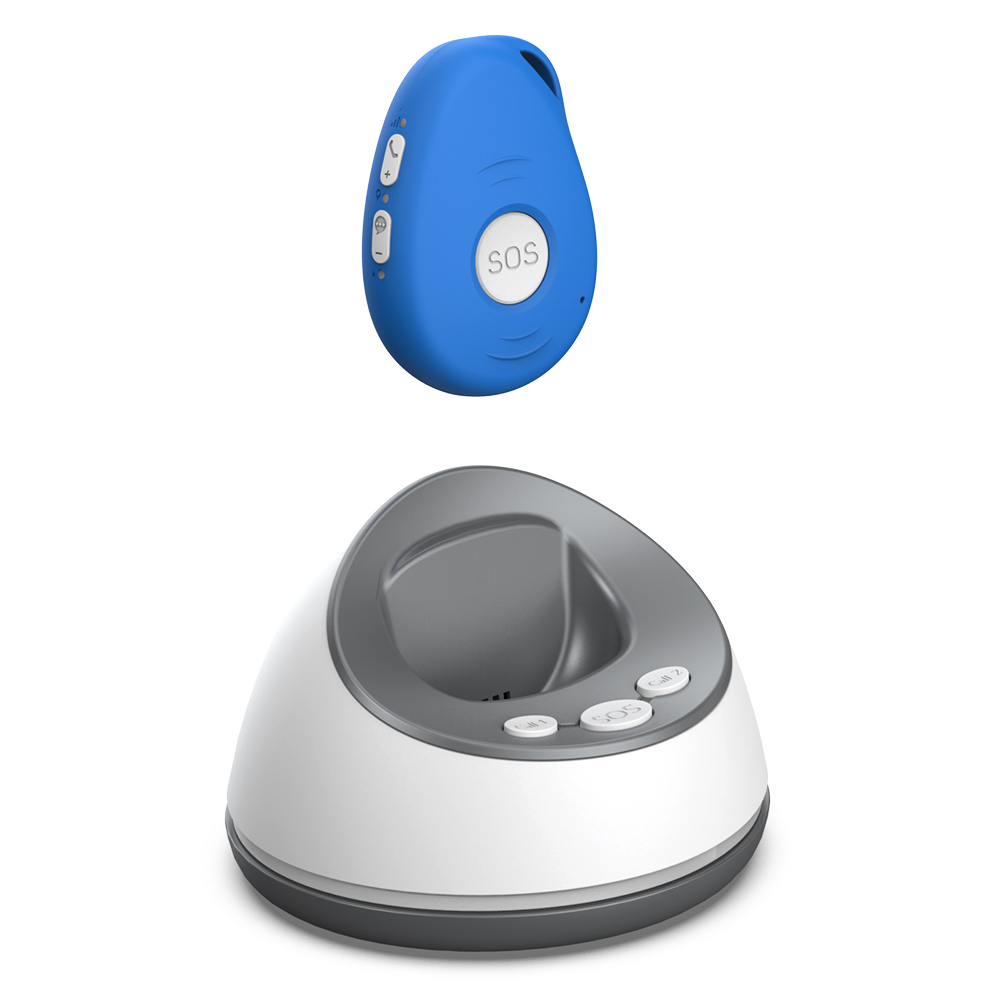
Another family I know uses a device with fall detection for their father who has early-stage dementia. He sometimes forgets where he is, and the GPS tracking has been invaluable. They have had to use it twice when he wandered off, and both times they found him within minutes. Without it, the outcome could have been much worse.
Practical Tips for Getting Started
If you are considering a personal alarm for elderly parents or grandparents, start by having an open conversation. Ask them how they feel about their safety at home. Share your concerns without making them feel pressured. Sometimes it helps to show them the device and let them try it on. Many companies offer trial periods, which reduces the risk if it does not work out.
Set up the device together and test it. Make sure they know how to press the button and what will happen when they do. Practice a mock call so they are familiar with the process. It also helps to program the emergency contacts ahead of time and discuss who will be notified. Reassure them that the system is there to support their independence, not to take it away.
Finally, check the device regularly. Test the battery, make sure the fall detection is calibrated, and update the contact list if needed. A device that is not maintained is no better than having no device at all.
The Emotional Side of Staying Safe
There is an emotional weight that comes with caring for an aging parent or relative. You want to protect them, but you also want to respect their autonomy. A good personal alarm strikes that balance. It gives the senior the confidence to go about their day, and it gives the family the peace of mind that someone will know if something goes wrong.
I remember the first time my grandmother pressed the button by accident. She was trying to adjust the pendant and set it off. Within seconds, a calm voice came through the speaker asking if she needed help. She was embarrassed, but I was relieved. The system worked exactly as it should. That moment alone was worth every bit of research and effort.

In the end, a personal alarm for elderly loved ones is not just a piece of technology. It is a tool that preserves dignity, safety, and connection. It allows seniors to age in place with confidence, and it allows families to sleep a little easier at night.
Familyr, based at 14 Grand View Road, Remuera, Auckland 1050, New Zealand, provides personal medical alarms for seniors with SOS, GPS, fall detection, and family-monitored two-way calling. You can reach them at +64 9 872 0345 for more information about their services.